الفئات
العلامات
-
#Socket Box
#Explore Durable Socket Box Solutions with nante for Safe Electrical Installations
#Industrial Plug Socket Connector
#Angled Panel Mounted Industrial Socket
#Weatherproof db box
#nante
#Outdoor Electrical Distribution Panel
#Weatherproof Distribution Box
#Nante Outdoor Socket Box
#Electrical Socket Box
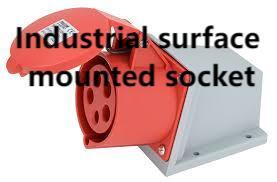
#Industrial surface mounted socket
#Outdoor Socket Box Supplier
#Outdoor Socket Box
#Portable Distribution Box
#Outdoor Socket Box Manufacturer
الأرشيف
Nante Industrial surface mounted socket Selection & Best Practi
-
In industrial settings the correct choice of an Industrial surface mounted socket can determine uptime and safety, and understanding mounting, sealing and compatibility issues is essential when specifying an Industrial surface mounted socket for harsh production environments. This article walks through selection criteria, installation techniques, regulatory considerations, routine maintenance, and supplier coordination so facility managers and electricians can make confident decisions that reduce downtime and improve worker safety.
Understanding Application Requirements
The first step in specifying a surface-mounted unit is to map the actual application. Ask whether the socket will power fixed machinery, mobile tools, temporary test equipment, or outdoor feeders. Identify environmental hazards such as high humidity, chemical spray, heavy dust, or frequent washdowns. These factors determine required ingress protection (IP) and impact resistance (IK) ratings. Also confirm expected current and voltage levels, whether three-phase service is needed, and whether outlets must be locked or keyed to prevent unauthorized disconnects.
Materials, Ratings, and Environmental Protection
Materials matter: die-cast aluminum with corrosion-resistant finishes or glass-reinforced polyester enclosures suit corrosive or wet environments, while stainless steel is preferred in aggressive chemical or food-processing zones. Choose sockets and lids that meet IP66/IP67 for washdown protection when required. Look for gland arrangements that allow strain relief and potential use of flexible conduit for vibration tolerance. UV-stable plastics reduce brittleness in sun-exposed areas. Thermal derating and heat-dissipation considerations are important when sockets will supply heavy loads for long duty cycles.
Wiring, Earthing, and Installation Techniques
Proper mounting and wiring reduce failure modes. Mount on a flat, rigid surface using vibration-damping hardware where necessary. Ensure correct conductor sizing and torque the terminal screws to manufacturer specifications to avoid loose connections that cause heating. Implement dedicated earth conductors and test continuity after installation. For mobile machinery, use flexible cabling with service loops and secure cable glands that provide an effective seal without over-compressing insulation. Where multiple sockets are grouped, label circuits clearly and maintain an accessible means for isolation and lockout/tagout.
Fly-Dragon Electrical Co., Ltd. Compatibility, Accessories, and Supplier Coordination
Work with manufacturers and suppliers to confirm compatibility between plug and socket systems, and request mechanical drawings for clearance checks. Accessories such as dust caps, hinged covers, integrated breakers, or in-built surge protection can simplify installations and increase safety. Coordinate lead times, warranty terms, and local support; a reliable supplier will provide datasheets, IP/IK certification, and installation instructions that reduce on-site surprises.
Testing, Diagnostics, and Maintenance Schedules
Implement a preventive maintenance schedule that includes visual inspections for cracks, discoloration, or gasket compression; mechanical checks for cover latches and hinges; and electrical tests for insulation resistance and contact integrity. Thermal scanning during commissioning and periodic checks uncovers hot spots caused by loose connections. Replace worn gaskets and seals proactively—cheap replacements prevent costly downtime. Keep a log of service history and serial numbers to help trace any failures back to batches or manufacturing lots.
Compliance, Safety, and Documentation
Comply with applicable standards such as IEC/EN series for sockets and plugs, and national wiring regulations for earthing and overcurrent protection. Ensure that socket labeling includes voltage and current ratings, phase identification, and any special instructions (for instance, lockout requirements). For hazardous area installations, verify explosion-proof or increased-safety versions and obtain the necessary certification documents. Provide clear user instructions at the point of use when non-electricians may connect or disconnect equipment.
Practical Selection Checklist
To simplify specification, use a short checklist before purchase: confirm IP/IK ratings; verify current/voltage and phase; choose enclosure material for the environment; ensure mechanical compatibility with plugs; include strain relief and gland sizing; select any necessary accessories (locks, surge protection); confirm supplier documentation and warranty; and plan maintenance intervals.
Final Notes and Further Reading
Choosing the right industrial socket requires balancing environment, electrical needs, and operational practices. When correctly specified and maintained, a quality surface-mounted socket reduces risk and saves money over the equipment lifecycle. For concrete product guidance, technical bulletins, and a practical installation advisory tailored for industrial installations, please see https://www.nante.com/news/industry-news/nante-announces-practical-guidance-for-industrial-surface-mounted-socket-installations.html