الفئات
العلامات
الأرشيف
The Connection Between Stress and Abdominal Pain
-
Abdominal pain is one of the most common physical complaints experienced by people across all age groups. While many cases are caused by infections, digestive disorders, or dietary habits, stress is increasingly recognized as a significant contributor to stomach discomfort.
Modern medical research has shown that the brain and the gut are closely connected through what is known as the gut brain axis, meaning emotional stress can directly influence digestive health. Understanding how stress affects the digestive system can help individuals better manage abdominal pain and improve overall wellbeing.
Understanding the Gut Brain Connection
The digestive system is often referred to as the “second brain.” This is because it contains a vast network of neurons known as the enteric nervous system. These nerves communicate constantly with the central nervous system, allowing emotions and psychological stress to influence digestive processes.
When a person experiences stress, the body activates the fight-or-flight response. During this process, hormones such as cortisol and adrenaline are released. While this response is useful in dangerous situations, chronic stress can disrupt normal bodily functions. The digestive system is particularly sensitive to these hormonal changes, which can lead to symptoms like stomach cramps, bloating, nausea, and abdominal pain.
How Stress Triggers Abdominal Pain
Stress can cause abdominal pain through several biological mechanisms:
1. Increased Stomach Acid Production
Stress may stimulate the stomach to produce excess acid. This can irritate the stomach lining and contribute to discomfort, heartburn, or gastritis. Over time, persistent stress may worsen existing digestive conditions.
2. Changes in Gut Motility
The muscles of the gastrointestinal tract contract to move food through the digestive system. Stress can either speed up or slow down this process. Faster movement may cause diarrhea and cramping, while slower digestion can result in constipation and bloating.
3. Heightened Pain Sensitivity
Stress can make the nervous system more sensitive. This means that normal digestive activity may be perceived as painful or uncomfortable. This heightened sensitivity is common in conditions like irritable bowel syndrome (IBS).
4. Disruption of Gut Microbiota
The human gut contains trillions of bacteria that support digestion and immune function. Chronic stress can alter the balance of these microorganisms, which may contribute to digestive disturbances and abdominal discomfort.
Stress-Related Digestive Disorders
Several gastrointestinal disorders are strongly associated with stress:
Irritable Bowel Syndrome (IBS)
IBS is a functional digestive disorder characterized by abdominal pain, bloating, constipation, and diarrhea. Stress is one of the most common triggers for IBS flare-ups. Although IBS does not cause structural damage to the intestines, the symptoms can significantly affect quality of life.
Functional Dyspepsia
This condition involves persistent upper abdominal discomfort, fullness, or nausea without a clear medical cause. Psychological stress and anxiety are frequently linked to the development or worsening of symptoms.
Peptic Ulcers
Although bacterial infection and certain medications are major causes of ulcers, stress may worsen symptoms and slow the healing process.
The Role of Lifestyle Factors
Stress often influences behaviors that can further aggravate abdominal pain. People under pressure may skip meals, eat unhealthy foods, consume excessive caffeine, or sleep poorly. These habits can disrupt digestion and intensify gastrointestinal symptoms.
In some cases, stress can also affect immune responses, making individuals more vulnerable to infections that cause abdominal discomfort. For example, parasitic infections can lead to stomach pain and digestive issues, requiring appropriate treatment options such as antiparasitic medications. Access to medications through reliable sources, including mebendazole wholesale, can support healthcare providers and pharmacies in ensuring treatment availability for such infections.
Recognizing Stress-Induced Abdominal Pain
Stress-related abdominal pain often presents with certain patterns. Symptoms may worsen during emotionally challenging situations such as exams, work deadlines, or family conflicts. The pain may improve during relaxation or vacations. In addition to stomach discomfort, individuals may experience headaches, fatigue, muscle tension, or anxiety.
However, it is important to remember that not all abdominal pain is caused by stress. Persistent, severe, or unusual symptoms should always be evaluated by a healthcare professional to rule out serious medical conditions.
Managing Stress to Reduce Abdominal Pain
Because stress can significantly impact digestive health, effective stress management strategies can help reduce abdominal discomfort.
1. Mindfulness and Relaxation Techniques
Practices such as meditation, deep breathing exercises, and yoga can calm the nervous system and reduce the physical effects of stress. These techniques help regulate the gut–brain connection and may improve digestive function.
2. Regular Physical Activity
Exercise is a powerful stress reliever. Activities such as walking, swimming, or cycling can stimulate healthy digestion while also lowering stress hormone levels.
3. Balanced Nutrition
Eating regular, balanced meals supports digestive health. Foods rich in fiber, probiotics, and essential nutrients help maintain a healthy gut microbiome. Limiting highly processed foods, excessive sugar, and caffeine can also reduce digestive irritation.
4. Adequate Sleep
Sleep is essential for both mental and physical health. Poor sleep can worsen stress and digestive symptoms. Establishing a consistent sleep routine can help the body recover and maintain normal digestive processes.
5. Psychological Support
For individuals experiencing chronic stress, counseling or therapy may be beneficial. Cognitive behavioral therapy (CBT), in particular, has been shown to help patients manage stress-related gastrointestinal disorders such as IBS.
When Medical Treatment Is Necessary
While lifestyle changes and stress management can improve many cases of abdominal pain, some conditions require medical treatment. Doctors may recommend medications to reduce stomach acid, regulate bowel movements, or treat infections.
For parasitic infections affecting the digestive system, medications like mebendazole are commonly prescribed. Pharmacies and healthcare systems sometimes rely on supply chains that include mebendazole wholesale distribution to ensure consistent availability for patients in need.
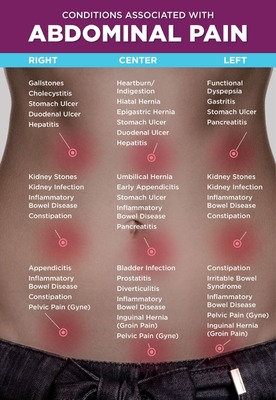
It is important to follow professional medical advice when using any medication. Self-diagnosing abdominal pain can be risky, as symptoms may overlap with more serious conditions such as appendicitis, gallstones, or inflammatory bowel disease.
Preventing Stress-Related Digestive Problems
Preventive strategies can help reduce the risk of developing chronic abdominal pain related to stress. Maintaining a healthy work-life balance, practicing relaxation techniques regularly, and staying physically active all contribute to better mental and digestive health. Building supportive social connections and seeking help during stressful periods can also make a significant difference.
Understanding personal stress triggers is another key factor. Keeping a journal to track emotional states and digestive symptoms can help individuals identify patterns and implement appropriate coping strategies.
Conclusion
The connection between stress and abdominal pain highlights the complex relationship between mental and physical health. Through the gut brain axis, emotional stress can disrupt digestion, alter gut bacteria, and increase pain sensitivity. As a result, individuals may experience symptoms such as cramps, bloating, and stomach discomfort.
Managing stress through lifestyle changes, relaxation techniques, and proper medical care can significantly improve digestive health. When abdominal pain is related to infections or other medical conditions, appropriate treatments supported by accessible medication supply channels such as mebendazole wholesale distribution play an important role in patient care.
By recognizing the impact of stress on the digestive system and taking proactive steps to manage it, individuals can protect their gut health and enhance their overall wellbeing.