Planning a Paver Driveway? Here’s What the Install Involves
Posted by My Outdoor Builder
Filed in Other 15 views
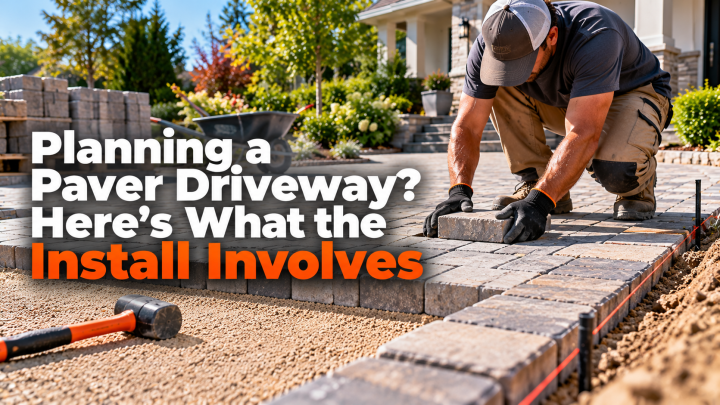
Before anyone breaks ground, most homeowners want to know what actually happens on site and how long it will disrupt daily life. Understanding driveway paver installation from start to finish helps you ask better questions and spot shortcuts early. If you’re comparing driveway pavers in Los Angeles, this walkthrough covers the steps, the materials underneath, and the local factors that shape the work.
What Does Driveway Paver Installation Involve?
Short Answer: Driveway paver installation is a layered build. The old surface is removed, the ground is excavated and compacted, and a gravel base goes in. Bedding sand, pavers, edge restraints, and joint sand follow. Most of the strength comes from what you can’t see once the job is finished.
That’s why two driveways that look identical on day one can age very differently. Prep work decides whether pavers stay level or start to sink and shift.
Step-by-Step: How the Pavers Go In
-
Site review and layout. The area is measured and marked, and the slope is planned so water moves away from the garage and house.
-
Demolition and excavation. Existing asphalt, concrete, or soil is removed to the depth the design calls for, which depends on soil and vehicle loads.
-
Subgrade compaction. The exposed soil is compacted so it carries weight evenly. Soft spots get corrected now, not later.
-
Driveway paver base. Crushed aggregate is added in layers and compacted after each one. Some projects also use geotextile fabric.
-
Bedding sand. A thin, screeded layer gives the pavers an even seat.
-
Paver placement. Pavers are set in the chosen pattern and cut to fit curves and borders.
-
Edge restraints. Borders lock the surface in so it doesn’t spread under tires.
-
Joint sand and final compaction. Sand is swept into the joints and the surface is compacted. Sealing may follow, depending on the product.
Why the Driveway Paver Base Deserves the Most Attention
A driveway paver base spreads vehicle weight across the soil below. If it’s too shallow, poorly compacted, or built over unstable ground, the surface settles along the wheel paths.
Cars are far heavier than the foot traffic a patio sees, so a driveway paver base is generally built thicker than one under a walkway. The right depth depends on soil, drainage, and expected loads. Be cautious of any quote that doesn’t explain it.
What Los Angeles Properties Add to the Equation
Local conditions change how driveway paver installation is planned.
-
Sun and heat: Direct sun can make dark surfaces uncomfortably hot, so paver color and texture are worth considering.
-
Drainage: Rain is infrequent but can arrive hard. Grading must carry runoff away from structures, and permeable options may suit some properties.
-
Soil and slope: Soil varies from sandy to clay-heavy across the city, and hillside lots need extra attention to grading and retaining.
-
Permits: Work that touches the public right-of-way, such as a curb cut or driveway apron, may need city approval. Check with your local jurisdiction before you install a driveway that changes access.
We factor these variables into every plan, starting with a site look before talking materials. You can see how that works through our Paver Installation Services in Los Angeles.
How Long Does a Driveway Install Take?
A typical residential driveway install can run from a few days to a week or more.
Size, access, demolition needs, pattern complexity, and weather all move the schedule. Pavers don’t cure like poured concrete, but joint sand and sealers may need time to set before vehicles return. Larger driveway installation projects with slopes or retaining elements take longer, and your contractor should give a realistic estimate for your property. The total time for driveway paver installation depends mostly on the prep stages.
Common Mistakes to Avoid
-
Thinning or skipping the base to save money
-
Overlooking slope, which lets water pool near the garage
-
Choosing pavers rated for patios rather than vehicles
-
Hiring on price alone, without a written scope
A driveway installation that cuts corners underground usually shows it within a few seasons.
Next Steps for Your Project
If you’re weighing driveway paver installation, start with how you use the space: daily parking, guest cars, a gate, a slope. Then ask for a written scope covering excavation depth, base materials, drainage, and edge restraints.
When you want a site-specific look at what your driveway would need, you can Request a Free Same-Day Estimate and talk through your options with us.
Frequently Asked Questions
Are pavers better than concrete or asphalt?
It depends on your priorities. Pavers let you replace individual units if one is damaged and offer more design choice. Upfront cost and appearance vary by material.
Can I do a driveway install myself?
Small areas are possible, but proper base compaction takes equipment and experience. Mistakes here are expensive to fix.
Do I need a permit to install a driveway in Los Angeles?
It depends on the work. Changes in the public right-of-way typically need approval, so confirm with the city first.
How do I maintain a paver driveway?
Sweep regularly, refill joint sand when it thins, remove weeds early, and reseal if your pavers call for it.
How deep should the driveway paver base be?
It varies with soil conditions and vehicle loads. Ask your contractor to specify the depth in writing.