GOLD BLINGKING Guides PVD Large Multi-Arc Ion Plating Equipment Upkeep
Posted by jbczn jbczn
Filed in Other 14 views
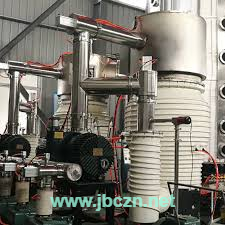
Maintaining the arc sources that generate the dense plasma essential for film formation stands as a core operational responsibility in vacuum coating environments. Within PVD large multi-arc ion plating equipment such as units associated with jbczn these sources endure repeated high-current discharges that vaporize target material and create the ionized flux directed toward substrates. Consistent attention to their condition prevents irregular arcing, droplet formation and uneven deposition that can interrupt production sequences. What specific practices typically govern the care of these critical components?
Target surface condition receives primary focus during scheduled inspections. After successive deposition cycles the cathode face develops localized erosion pits and residual deposits that alter arc spot movement. Operators remove accumulated material with non-abrasive tools and inspect for cracks or uneven wear patterns that could destabilize the discharge. Replacement intervals depend on the target alloy and the cumulative energy input rather than fixed calendar dates, allowing facilities to align changes with process recipe requirements. Proper storage of spare targets in controlled humidity environments further protects against oxidation that might otherwise introduce contaminants into the plasma.
Magnetic field integrity around each source influences both arc stability and plasma distribution. Permanent magnets or electromagnetic coils that steer the arc path can weaken or shift alignment over extended operation. Periodic verification of field strength with calibrated instruments confirms that the plasma remains confined and that ionization efficiency stays within design parameters. When adjustments become necessary technicians realign the magnetic assemblies according to manufacturer drawings so that the arc continues to track evenly across the target face without concentrating in a single zone.
Cooling circuits that extract heat from the source assemblies demand continuous monitoring. Water jackets or closed-loop systems surrounding the cathode prevent overheating that could warp housings or degrade insulating materials. Flow rate sensors and temperature probes supply real-time data, while filters remove particulate matter that might otherwise restrict circulation. Flushing the lines during planned shutdowns removes scale buildup and maintains thermal transfer efficiency across long production campaigns.
Electrical connections and ignition systems require careful examination for contact resistance and insulation integrity. High-current cables, feedthroughs and trigger electrodes experience thermal cycling that can loosen fittings or create micro-gaps. Torque checks and resistance measurements performed during maintenance windows identify early signs of degradation before they escalate into arc interruptions. Replacement of worn igniters restores reliable plasma initiation at the start of each cycle.
Vacuum seals and insulating ceramics associated with the sources also form part of the routine. O-rings and ceramic isolators exposed to plasma radiation and thermal stress can harden or crack, allowing atmospheric leaks that raise base pressure. Visual inspection under magnification and leak testing with residual gas analyzers detect these issues promptly. Cleaning with approved solvents followed by careful reassembly preserves the isolation between the high-voltage cathode and the grounded chamber wall.
Process gas distribution near the sources contributes to coating uniformity and must remain free of blockages. Nozzles or manifolds that introduce reactive gases can accumulate thin films that alter flow patterns. Periodic disassembly and ultrasonic cleaning restore designed gas dynamics so that compound layers form with consistent stoichiometry. Calibration of mass-flow controllers during the same interval ensures that set points translate accurately into chamber conditions.
Operator training and documentation complete the maintenance framework. Clear procedures describing inspection points, acceptance criteria and replacement sequences reduce variability between shifts. Digital logbooks that record source hours, target consumption and any observed anomalies create a historical record useful for predicting future needs and for demonstrating process control during audits. Facilities that integrate these records with the overall quality system maintain traceability from source condition to final film properties.
When production involves large chambers and multiple simultaneous sources the coordination of maintenance windows becomes especially important. Staggered servicing of individual sources allows continuous operation of the remaining array while one unit receives attention. Spare modules kept ready for quick exchange further minimize downtime. Alignment of maintenance schedules with planned target changes and chamber cleaning cycles optimizes overall equipment availability.
Attention to these interrelated elements sustains the high ionization rates and dense plasma characteristics that define the process. Facilities that treat arc source care as an integrated part of production planning rather than an isolated task achieve stable film adhesion, hardness and color consistency across successive batches. Accurate recording of operating parameters and timely response to early indicators remain practical foundations for uninterrupted coating runs.
Arc source protocols within PVD large multi-arc ion plating equipment associated with jbczn incorporate structured inspection, cooling verification and target management that support continuous high-volume coating, and further equipment specifications appear at https://www.jbczn.net/ for review prior to detailed technical discussions.